
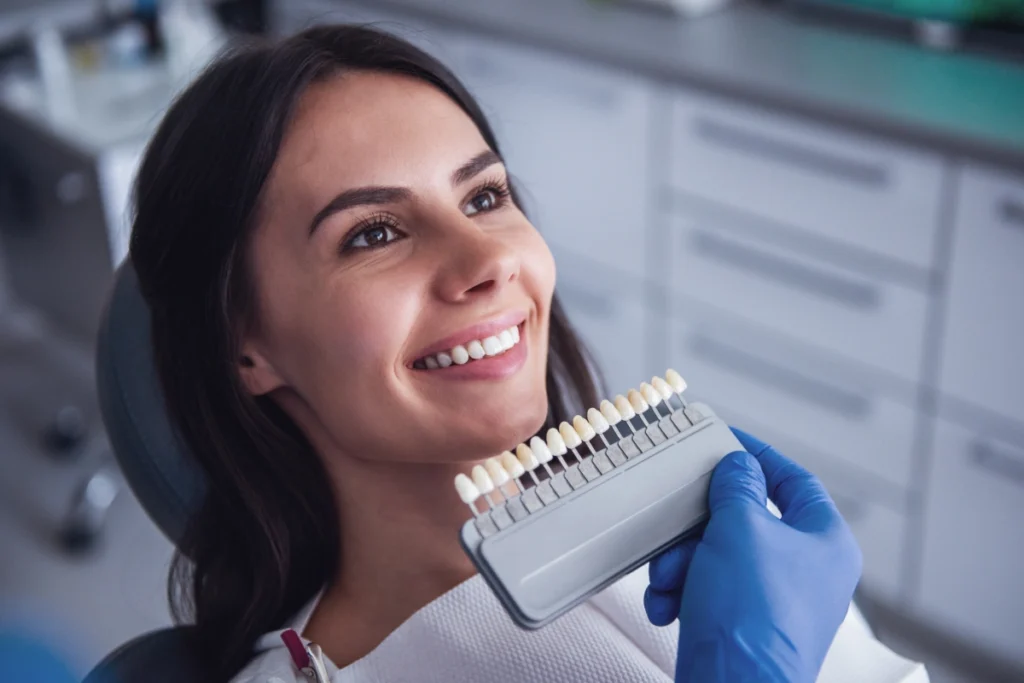
Uneven teeth are one of the most common cosmetic dental concerns patients bring up during consultations. Whether it’s a tooth that’s slightly shorter than its neighbours, one that’s rotated out of place, or a smile that just doesn’t feel balanced, unevenness can chip away at your confidence in ways that are hard to ignore. If you’ve been researching your options, chances are veneers have come up — and for good reason.
Dental veneers are one of the most versatile and transformative cosmetic treatments available today. But are they the right solution for uneven teeth specifically? The answer, as with most things in dentistry, depends on your individual situation. This guide walks you through everything you need to know to make an informed decision.
What Causes Uneven Teeth?
Uneven teeth can develop for a wide range of reasons, and understanding the root cause matters when choosing the best treatment path.
Common causes include:
- Genetics — the size and shape of your teeth are largely inherited; some people naturally develop teeth of varying lengths or widths
- Uneven wear — grinding (bruxism) or clenching can gradually wear down certain teeth more than others
- Chipping or fractures — even minor chips can alter the visual line of your smile
- Gum recession — when gums recede unevenly, teeth can appear to be different lengths even if they’re structurally the same size
- Missing teeth — when a tooth is lost and not replaced, neighboring teeth can shift and tilt over time
- Developmental issues — some teeth simply don’t develop to a typical size or shape (a condition called microdontia for unusually small teeth, or peg laterals for small, narrow upper lateral incisors)
The type and cause of your unevenness will directly influence whether veneers are the ideal fix — or whether a different approach makes more sense.
What Are Dental Veneers?
Veneers are ultra-thin shells, typically made from porcelain or composite resin, that are custom-crafted and bonded to the front surface of your teeth. Think of them as a precision-fitted cover that instantly changes the size, shape, color, and overall appearance of a tooth.
Porcelain Veneers
Porcelain veneers are the gold standard in cosmetic dentistry. They’re fabricated in a dental lab from high-strength ceramic material that closely mimics the light-reflecting properties of natural tooth enamel. They’re stain-resistant, durable, and incredibly lifelike — most people can’t tell them apart from natural teeth.
Typical lifespan: 10 to 20 years with proper care.
Composite Resin Veneers
Composite veneers are made from the same tooth-colored resin used for dental bonding. They can often be applied in a single visit since the material is sculpted directly onto the tooth. They’re more affordable than porcelain but less durable and more prone to staining over time.
Typical lifespan: 5 to 7 years with proper care.
No-Prep and Minimal-Prep Veneers
Traditional veneers require a small amount of enamel to be removed from the tooth surface before placement — this creates space for the veneer and ensures it doesn’t look or feel bulky. No-prep or minimal-prep veneers (sometimes called ultra-thin veneers) remove little to no enamel, making them a more conservative option. However, they’re not suitable for every case.
How Veneers Correct Uneven Teeth
Here’s where veneers really shine. Unlike orthodontic treatment, which moves teeth physically, veneers change the appearance of teeth by altering their outer shape and size. Patients exploring veneers in the Franklin Lakes area consistently find this approach more appealing than months of orthodontic treatment, particularly when the unevenness is cosmetic rather than structural.
1. Length Discrepancies
If some of your teeth are shorter than others — whether due to natural variation or wear over time — veneers can add length to bring them into harmony with surrounding teeth. Your dentist designs each veneer to match the ideal proportions for your face, smile line, and lip shape. The result is a balanced, even smile line that looks completely natural.
2. Size and Width Differences
Veneers can make a narrow or undersized tooth appear wider and fuller. This is particularly common for peg laterals (the small, pointed upper teeth flanking the two front teeth), where a veneer can transform a disproportionate tooth into one that fits seamlessly into the smile.
3. Mild Rotation or Crowding
If a tooth is slightly rotated or crowded, a veneer can create the visual impression of a straight, properly positioned tooth — without moving it at all. This is sometimes referred to as “instant orthodontics.” It’s worth noting, however, that this approach only addresses the appearance, not the underlying position. For significant crowding or rotation, orthodontic treatment is still the recommended solution.
4. Chips and Irregular Edges
A chipped tooth or one with an uneven, jagged edge can be beautifully restored with a veneer. The shell covers the entire front surface of the tooth, giving it a smooth, uniform edge that matches the rest of your smile.
5. Gaps Between Teeth
When a small gap makes the smile look uneven or unbalanced, veneers on the adjacent teeth can be slightly widened to close the space and create a more symmetrical appearance.
When Veneers Are the Right Choice
Veneers tend to be an excellent option when:
Veneers are particularly powerful when used as part of a smile makeover: combining them with teeth whitening, gum contouring, or other treatments to completely reimagine the look of your smile.
Caring for Your Veneers
Veneers are relatively low-maintenance, but a few habits will help them last as long as possible:
- Brush twice daily with a non-abrasive toothpaste and a soft-bristled toothbrush
- Floss daily — veneers don’t protect the spaces between teeth or below the gum line
- Wear a night guard if you grind your teeth
- Avoid biting hard objects like ice, fingernails, or pen caps — these can chip veneers just like natural teeth
- Limit staining foods and drinks — while porcelain is stain-resistant, the cement edges can discolor over time with heavy coffee, tea, or red wine consumption
- Keep up with regular dental visits — your dentist will monitor your veneers at every checkup
Frequently Asked Questions
Are veneers permanent?
Traditional veneers are considered a permanent treatment because a thin layer of enamel is removed before placement — meaning the teeth will always require some form of restoration going forward. No-prep veneers are a more reversible option but aren’t suitable for all cases.
Do veneers look natural?
When designed well and placed by a skilled dentist, porcelain veneers are virtually indistinguishable from natural teeth. The key is working with a provider who takes the time to customize the shape, size, and shade to complement your face and existing teeth.
Will veneers fix all my crooked teeth?
Veneers can address the appearance of mildly uneven or slightly rotated teeth. For more significant misalignment, orthodontic treatment is a better solution — and often a more conservative one, since it doesn’t require altering your natural tooth structure.
Does getting veneers hurt?
The preparation process involves local anaesthesia, so you shouldn’t feel pain during the appointment. Some patients experience temporary sensitivity after the enamel is reduced, but this typically resolves within a few days.
How do I know if I’m a good candidate?
The best way to find out is to schedule a consultation with a cosmetic dentist. They’ll evaluate your teeth, discuss your goals, and give you an honest recommendation — including whether veneers, bonding, orthodontics, or a combination approach is most appropriate for you.