
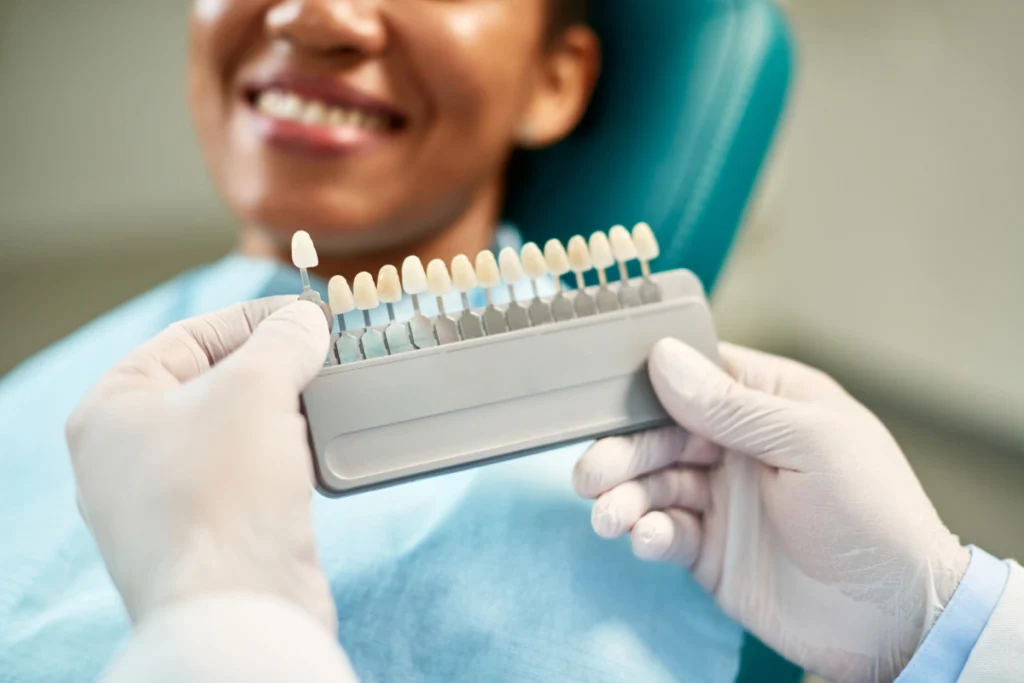
Staring at your smile in the mirror and wishing it looked just a little brighter, straighter, or more even? You’re not alone. Chipped teeth, gaps, and discoloration are some of the most common reasons patients walk through the doors of a cosmetic dental practice. The good news is that Dental Bonding and Porcelain Veneers are two of the most popular, proven solutions for transforming a smile without resorting to major dental work.
But which one is right for you? Both options can correct similar issues, yet they differ significantly in cost, durability, and the level of commitment involved. In this guide, we’ll break down everything you need to know about Dental Bonding and Porcelain Veneers so you can make a confident, informed decision for your smile goals.
What Is Dental Bonding?
Dental bonding is a cosmetic procedure where a tooth-colored composite resin is applied directly to the tooth’s surface. The material is sculpted, hardened with a special light, and polished to blend naturally with your surrounding teeth.
This treatment is often called the “quick fix” of cosmetic dentistry because it’s minimally invasive and can usually be completed in a single visit.
Common Uses for Dental Bonding
- Repairing small chips or cracks
- Closing minor gaps between teeth
- Improving the shape of slightly misshapen teeth
- Covering surface stains or discoloration
- Protecting exposed tooth roots from gum recession
Because bonding requires little to no removal of natural tooth enamel, it’s considered one of the more conservative cosmetic options available.
What Are Porcelain Veneers?
Porcelain veneers are thin, custom-made shells designed to cover the front surface of your teeth. Unlike bonding, veneers are crafted in a dental lab from high-quality porcelain, then bonded permanently onto your teeth after a small amount of enamel is removed to ensure a natural fit.
Veneers are often the go-to choice for patients seeking a long-lasting, dramatic smile transformation.
Common Uses for Porcelain Veneers
- Correcting widespread or stubborn discoloration
- Fixing uneven, worn, or oddly shaped teeth
- Closing larger gaps
- Creating a uniform, symmetrical smile
- Achieving a long-term cosmetic upgrade
Because porcelain mimics the light-reflecting properties of natural enamel, veneers often produce a more lifelike, polished result.
Dental Bonding and Porcelain Veneers: Key Differences
When comparing Dental Bonding and Porcelain Veneers, it helps to look at the factors that matter most to patients: cost, durability, appearance, and maintenance.
Cost Considerations
- Bonding is typically more budget-friendly, making it a great entry point for minor cosmetic corrections.
- Veneers involve a higher upfront investment due to lab fabrication and the precision required for placement.
Durability and Lifespan
- Bonding material can last 3 to 10 years, depending on care and habits like teeth grinding.
- Veneers are more durable, often lasting 10 to 20 years or longer with proper maintenance.
Appearance and Aesthetics
While both treatments can look natural, porcelain veneers tend to resist staining better over time and offer a more uniform, glass-like finish. Bonding material, on the other hand, may yellow slightly faster than natural teeth.
Procedure and Recovery
- Bonding: Completed in one visit, no anesthesia usually required, no recovery time.
- Veneers: Typically requires two visits (preparation and placement), with a temporary veneer worn in between.
Which Option Is Right for You?
Choosing between Dental Bonding and Porcelain Veneers ultimately depends on your goals, budget, and the condition of your teeth. Here’s a simple way to think about it:
- Choose bonding if: You have minor imperfections, want a quick and affordable fix, or are looking for a temporary solution before committing to something more permanent.
- Choose veneers if: You want a long-term transformation, have more noticeable cosmetic concerns, or are seeking a uniform, magazine-ready smile.
Of course, every smile is unique. The best way to determine which treatment suits your needs is through a personalized consultation with an experienced dental professional.
How to Decide With Confidence
Before committing to either treatment, consider asking yourself:
- How significant are my cosmetic concerns?
- Am I looking for a short-term fix or a long-term investment?
- What’s my budget for cosmetic treatment?
- Do I grind my teeth or have habits that could affect durability?
Answering these questions can help guide a more productive conversation with your dentist.
Trust Matters in Cosmetic Dentistry
Cosmetic treatments aren’t one-size-fits-all, which is why working with a skilled, detail-oriented dental team makes all the difference. At TruYou Dental – Great Neck, our team takes time to understand your smile goals, walk you through your options, and recommend treatments based on your specific needs—not a generic checklist.
Whether you’re leaning toward bonding for a quick refresh or considering veneers for a complete smile makeover, having an expert evaluate your teeth in person ensures you get results that look natural and last.
Common Patient Questions
Is dental bonding painful?
Do veneers ruin your natural teeth?
Can I switch from bonding to veneers later?
How do I keep my results looking their best?
Will my insurance cover the cost?
How do I know which treatment is best for my smile?
Final Thoughts: Your Smile, Your Choice
At the end of the day, both Dental Bonding and Porcelain Veneers offer effective ways to enhance your smile—it simply comes down to your personal goals, timeline, and budget. Whichever path you choose, working with a trusted dental provider ensures your results are both beautiful and long-lasting.
If you’re ready to explore your options, schedule your appointment today with TruYou Dental – Great Neck, conveniently located in Great Neck, NY 11023. Our friendly team is here to help you find the perfect solution for the smile you’ve always wanted.