
You’ve probably heard that dental implants are the gold standard for replacing missing teeth and for good reason. But before committing to the procedure, one of the first questions most patients ask is: how long will they actually last?
It’s a fair concern. Dental implants represent a meaningful investment of time, money, and trust. You deserve a clear, honest answer not just a sales pitch.
The short version? With proper care, dental implants can last 25 years or longer and many patients keep theirs for a lifetime. However, longevity isn’t guaranteed by the implant alone. Several biological, behavioral, and clinical factors play a critical role. If you’re exploring dental implants in Great Neck, understanding these factors will help you protect your investment and make a genuinely informed decision.
What Makes Dental Implants So Durable?
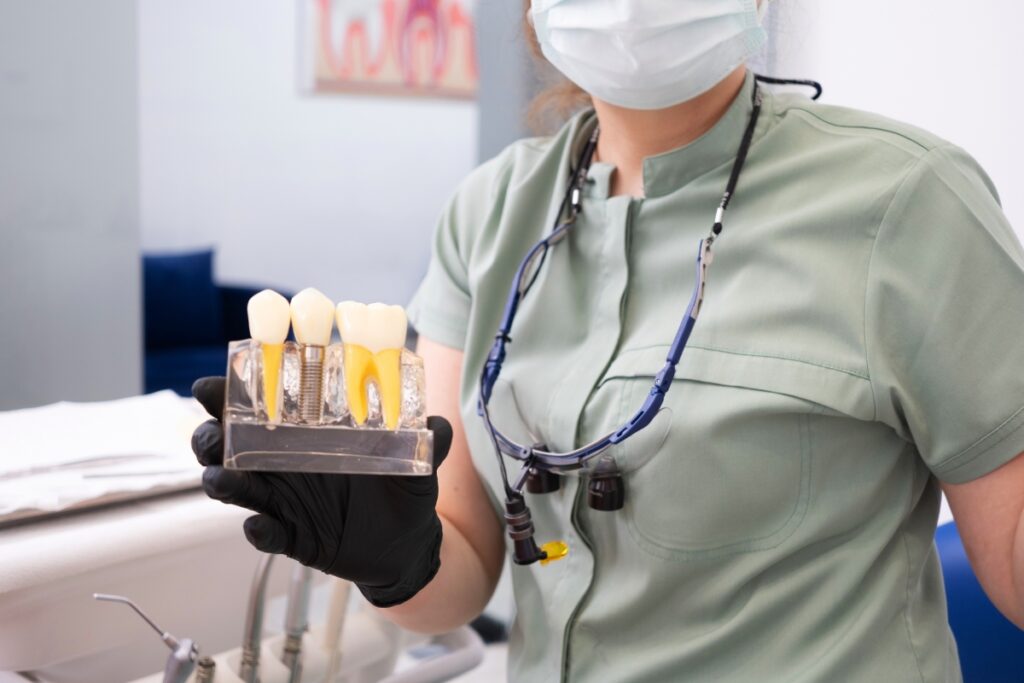
A dental implant is a small titanium post that is surgically placed into the jawbone, where it fuses with the bone through a process called osseointegration. Once healed, a custom-made crown is attached on top, recreating both the look and function of a natural tooth.
Unlike dentures or bridges, implants don’t rely on neighboring teeth for support. They become part of your bone structure which is precisely why they can last so long when properly maintained.
“An implant that integrates well with the jaw and is cared for consistently can outlast nearly every other dental restoration.”
Key Factors That Affect the Lifespan of Dental Implants
No two patients are the same. Your implant’s longevity depends on a combination of factors some within your control, some that your dentist will evaluate before and during treatment.
Bone Density
Insufficient jawbone can compromise how well the implant fuses. Bone grafting can often solve this before placement.
Overall Health
Conditions like uncontrolled diabetes or autoimmune disorders can slow healing and affect integration success.
Oral Hygiene
Implants don’t decay, but the gum and bone around them can. Daily brushing and flossing are non-negotiable.
Smoking
Tobacco use significantly reduces blood flow, slows osseointegration, and dramatically increases failure risk.
Regular Check-Ups
Routine dental visits catch early signs of peri-implantitis (gum disease around implants) before they become serious.
🦾Implant Placement
Precision placement by an experienced implant dentist ensures proper load distribution and long-term stability.
The Role of Oral Hygiene in Implant Dental Great Neck Patients
One of the most common causes of premature implant failure is peri-implantitis an infection of the tissue and bone surrounding the implant. It’s the implant equivalent of gum disease, and it’s largely preventable.
Patients who brush twice daily, floss daily, and use an antibacterial rinse protect not just their implant but the entire oral environment around it. For residents seeking dental implants in Great Neck, maintaining a consistent hygiene routine is the single most powerful thing you can do to extend implant life.
How Lifestyle Choices Impact Your Results
Dental implant success isn’t just a clinical story it’s a lifestyle story. Here’s what the research consistently shows:
- Smokers have up to twice the implant failure rate of non-smokers
- Patients with poorly controlled diabetes experience slower healing and higher infection risk
- Teeth grinders (bruxism) place excess force on implants a custom night guard is often recommended
- Alcohol consumption in excess can impair healing during the critical post-surgery period
- A calcium-rich diet supports bone health, which directly affects the stability of your implant
The Implant vs. the Crown: Understanding What Wears Out
Here’s a nuance many patients don’t realize: the titanium implant post itself rarely fails. When properly placed and maintained, it can last a lifetime. What may need replacement after 10–15 years is the crown the visible tooth portion which is subject to daily chewing forces and normal wear.
Think of it like a house: the foundation (the implant) is built to last; the roof (the crown) may need updating over the decades. This is a far better outlook than a bridge, which typically lasts 10–15 years before requiring full replacement.
Signs Your Implant May Need Attention
While complications are uncommon in healthy patients, it’s worth knowing the warning signs that something may need professional attention:
- Persistent pain, swelling, or discomfort around the implant site
- Implant feels loose or shifts when you bite
- Bleeding or receding gums around the implant
- Difficulty chewing that wasn’t present before
- Visible gap forming between the crown and gumline
If you notice any of these, contact your dental provider promptly. Early intervention almost always leads to a better outcome than waiting.
Why Choosing an Experienced Implant Dentist Matters
The skill and experience of the clinician placing your implant is one of the most underestimated factors in long-term success. Proper implant positioning, appropriate depth, ideal angulation, and thorough pre-treatment assessment all require clinical expertise that varies significantly between providers.
At TruYou Dental in Great Neck, NY, implant procedures are performed with precision imaging and a thorough pre-surgical evaluation, including assessment of bone volume, gum health, and overall medical history. Patients looking for dental implants in Great Neck benefit from a team that treats every case individually not as a one-size-fits-all procedure.
When you choose TruYou Dental, you’re not just getting an implant you’re getting a care plan built around your unique oral health profile and long-term goals.
How to Maximize the Life of Your Dental Implants
The good news is that the majority of implant complications are preventable. Here’s what consistently makes the difference for long-term patients:
- Attend professional cleanings every six months (more often if recommended)
- Use a soft-bristled toothbrush and low-abrasion toothpaste near the implant site
- Floss daily using implant-specific floss or a water flosser
- Wear a night guard if you grind your teeth during sleep
- Avoid using your teeth as tools (opening packages, biting nails)
- Disclose all medications and health conditions to your dentist at every visit
Conclusion: A Long-Lasting Smile Starts with the Right Foundation
Dental implants, when placed well and cared for consistently, are the closest thing modern dentistry has to a permanent tooth replacement. Most patients enjoy 20, 25, or even 30+ years of natural-feeling function from a single implant procedure.
The key takeaway: your habits, health, and choice of provider matter just as much as the implant material itself. The patients who get the most from their implants are those who treat them as they would a natural tooth with daily care and regular professional oversight.
If you’re considering dental implants in Great Neck and want a comprehensive evaluation from a team that prioritizes your long-term oral health, TruYou Dental is here to help. Schedule your appointment today and take the first step toward a restored, confident smile that’s built to last.