
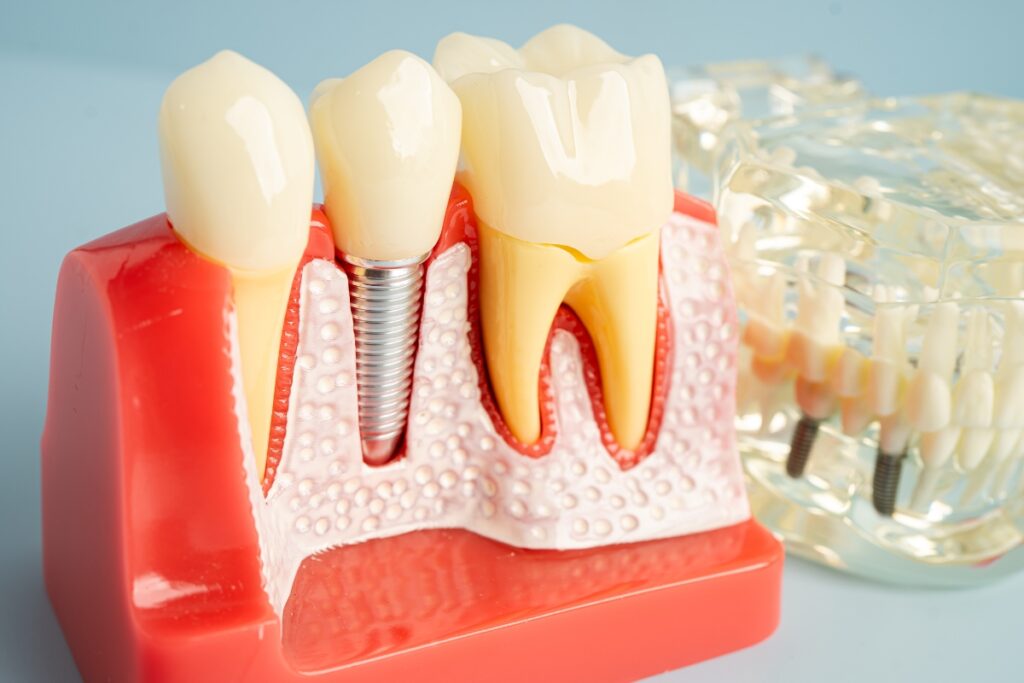
Getting Dental Implants is one of the best investments you can make in your smile but did you know that your daily habits play a huge role in how well they last? Many patients assume that once the implant is placed, the hard part is over. In reality, the success of dental implants depends just as much on what happens after the procedure as it does on the surgery itself.
From diet to oral hygiene to habits like smoking, small lifestyle choices can either support long-term dental implant success or quietly undermine it. In this article, we’ll break down exactly which habits matter most and how you can protect your investment for years to come.
Why Lifestyle Matters for Dental Implants
Dental implants are designed to fuse with your jawbone through a process called osseointegration. This creates a strong, stable foundation that mimics a natural tooth root.
However, this fusion process and the long-term stability that follows can be influenced by factors like blood flow, inflammation, and bone health. That’s where lifestyle habits come in.
Here are the key areas that can make or break your results.
1. Smoking and Tobacco Use
Smoking is one of the biggest risk factors for implant failure. Nicotine restricts blood flow to the gums and jawbone, slowing healing and increasing the risk of infection.
How it affects implants:
- Reduces oxygen supply needed for bone healing
- Increases risk of peri-implantitis (gum infection around the implant)
- Slows down osseointegration, the process where the implant bonds with bone
If you’re a smoker considering implants, talk to your dentist about a cessation plan before treatment even a temporary pause during healing can significantly improve outcomes.
2. Oral Hygiene Habits
Just like natural teeth, implants require consistent care. Neglecting oral hygiene can lead to plaque buildup around the implant site, which may cause inflammation and bone loss over time.
Simple Habits That Help
- Brush twice daily with a soft-bristle toothbrush
- Floss around the implant using implant-safe floss or interdental brushes
- Use an antimicrobial mouthwash if recommended by your dentist
- Schedule regular professional cleanings
Good hygiene habits don’t just protect your implant they support the health of your surrounding teeth and gums too.
3. Diet and Nutrition
What you eat directly impacts your body’s ability to heal and maintain bone density. A nutrient-poor diet can slow recovery and weaken the bone supporting your implant.
Foods that support implant health:
- Calcium-rich foods (dairy, leafy greens) for bone strength
- Vitamin D sources (fatty fish, fortified foods) to aid calcium absorption
- Protein for tissue repair
- Foods low in sugar to reduce bacterial growth
During the initial healing period, softer foods are often recommended to avoid putting pressure on the implant site.
4. Alcohol Consumption
Moderate to heavy alcohol use can interfere with healing, especially in the weeks following implant surgery. Alcohol can also dry out the mouth, reducing saliva that naturally helps fight bacteria.
If you’re recovering from implant placement, it’s best to limit alcohol intake until your dentist confirms you’ve healed properly.
5. Teeth Grinding (Bruxism)
Many people grind or clench their teeth without realizing it, often due to stress. This habit puts excessive pressure on implants, which can lead to loosening or damage over time.
Signs of bruxism include:
- Jaw soreness or tension, especially in the morning
- Headaches
- Worn-down teeth or dental restorations
If you grind your teeth, a custom nightguard can help protect both your natural teeth and your implants.
6. Stress and Sleep
It’s easy to overlook, but chronic stress and poor sleep can slow healing and weaken your immune response both of which are important during implant recovery.
Prioritizing rest, managing stress, and maintaining a consistent sleep schedule can support your body’s natural healing process after any dental procedure.
7. Regular Dental Checkups
Even with excellent at-home care, professional monitoring is essential. Your dentist can catch early signs of gum irritation, bone loss, or implant looseness before they become bigger problems.
Routine visits allow for:
- Professional cleaning around the implant
- X-rays to monitor bone integration
- Early detection of potential issues
Building Long-Term Success With Dental Implants
The good news is that most of these risk factors are within your control. With the right habits, dental implants can last decades often a lifetime with proper care.
Think of your implant like a long-term partnership between your daily habits and your dental team’s expertise. Small, consistent choices add up to lasting results.
Common Patient Questions
How long does it take for an implant to fully heal?
Healing time varies, but osseointegration typically takes three to six months. Your dentist will monitor your progress along the way.
Can I still get implants if I smoke?
Yes, but smoking increases the risk of complications. Many dentists recommend reducing or quitting, especially during the healing phase, to improve success rates.
Will my implant feel different from a natural tooth?
Most patients say implants feel and function just like natural teeth once fully healed. Some initial sensitivity is normal during recovery.
Do implants require special cleaning products?
Not necessarily, but implant-safe floss or a water flosser can make cleaning easier and more effective around the implant site.
What happens if I grind my teeth at night?
Grinding puts extra pressure on implants, so a custom nightguard is often recommended to protect your investment.
How often should I visit the dentist after getting an implant?
Most dentists recommend checkups every six months, though your first few visits after placement may be more frequent to monitor healing.
Take the Next Step Toward a Confident Smile
Your habits play a powerful role in how long your dental implants last but you don’t have to navigate this journey alone. A personalized care plan can make all the difference in your results.
At TruYou Dental – Great Neck, located in Great Neck, NY 11023, our team is here to guide you through every step of your implant journey, from consultation to long-term maintenance.
Schedule your appointment today and take the first step toward a healthier, more confident smile that’s built to last.